
LED light therapy used to mean booking a dermatologist appointment, driving in, waiting, and spending hundreds of dollars per session.
Now you can get the same clinically studied wavelengths of light delivered at home — in just three minutes a day. Here's everything you need to know to do it right.

"LED light therapy is one of the most exciting advances in at-home skincare. When done right — with the correct wavelengths and treatment time — the results rival what I see in my clinic."

LED (light-emitting diode) masks use specific wavelengths of light to stimulate skin cells at different depths — without heat, UV rays, pain, or downtime. They were originally developed as professional treatments and are now available in devices designed for daily at-home use.
Different wavelengths target different skin concerns: red light boosts collagen production to reduce fine lines, blue light kills acne-causing bacteria, and amber light targets dark spots and uneven tone. Higher-quality devices use multiple wavelengths at once for broader results.
Anti-aging
Stimulates collagen to reduce fine lines, wrinkles, and sagging
Acne
Kills acne-causing bacteria to heal and prevent breakouts
Brightening
Targets dark spots and uneven skin tone
Firmness
Improves skin elasticity with continued daily use

Start with clean, product-free skin.
This is the most important prep step. LED light needs to reach the skin directly — any barrier (makeup, sunscreen, serum, or moisturizer) can block wavelengths and reduce your results.
Remove all makeup first, paying attention to easy-to-miss spots like eyelids, the jaw, and neck. Follow with a gentle, soap-free cleanser to clear away sweat, oils, and residue. Pat dry with a clean towel — your skin should be completely dry before you put the mask on.
Don't apply serums or moisturizer yet.
Save those for after your treatment — they can disrupt light penetration and also absorb better into freshly treated skin anyway.
Select the right mode for your skin concern.
Most LED masks offer multiple treatment modes. The right one depends on your primary skin concern:
Red / Infrared
Blue
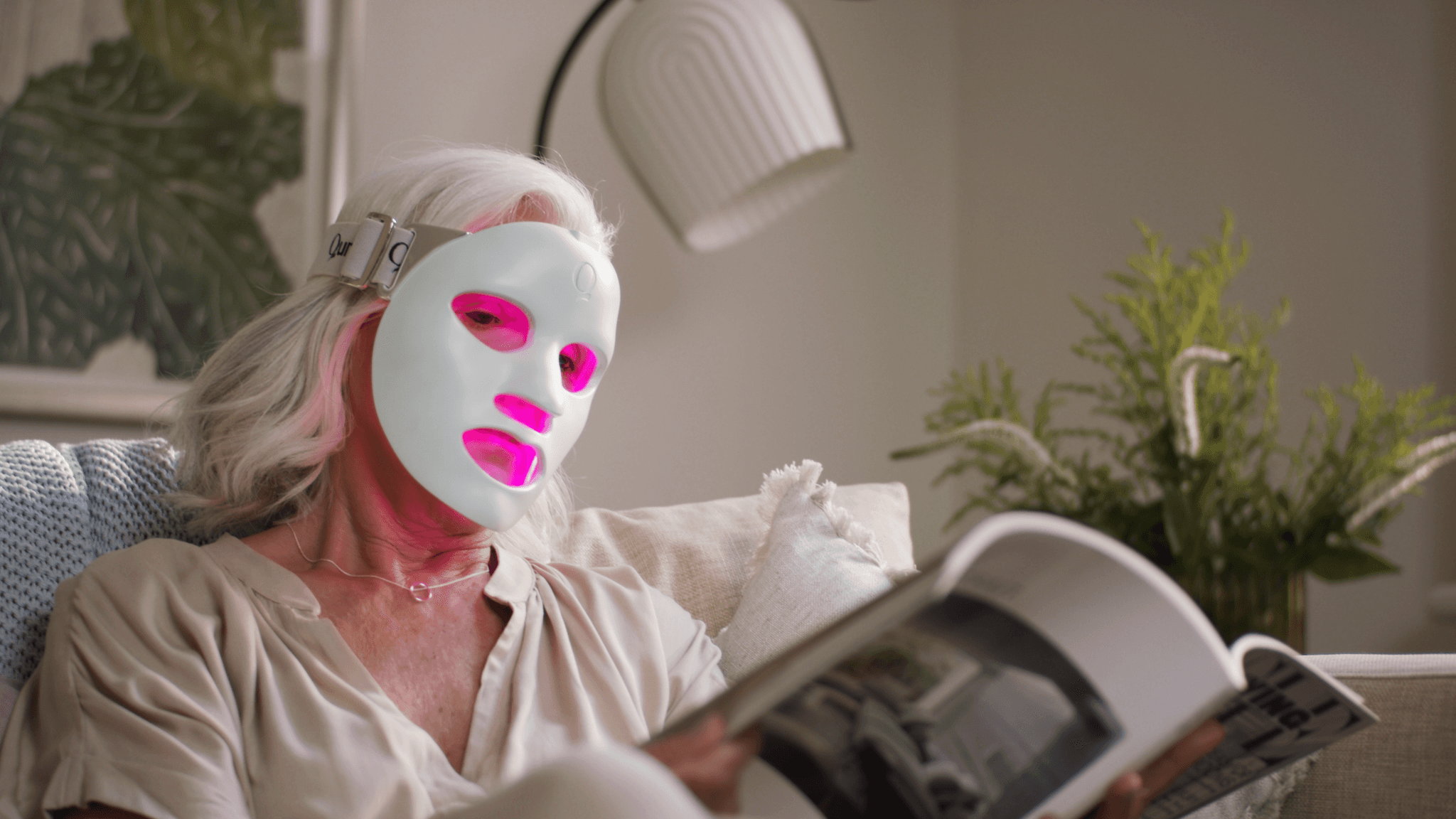
Wear the mask for 3 minutes.
Place the mask over your clean, dry face. Most at-home LED masks include an adjustable strap so you can wear it hands-free. Secure it comfortably — it should sit close to the skin but not press uncomfortably.
Hold the power button to turn on the device. Select your treatment mode. Most quality LED masks run for exactly 3 minutes and shut off automatically — no need to watch a timer.
You can open your eyes during treatment. At-home LED masks are designed to be eye-safe, though some people prefer to close their eyes for comfort.
Consistency matters more than intensity.
Daily 3-minute sessions outperform occasional longer treatments. Build it into a routine — right after washing your face in the morning or evening works well for most people.
Layer serums and moisturizer after treatment.
LED light therapy enhances your skin's ability to absorb active ingredients — so right after a session is the ideal time to apply your serums and moisturizer. Skin is also in a heightened repair state, making ingredients like vitamin C, retinol, and hyaluronic acid more effective.
Apply in this order:
Toner or essence
SPF (if it's your morning routine)
Sunscreen every morning, without exception.
LED therapy stimulates collagen and cellular repair — UV exposure reverses both. SPF 30+ broad-spectrum sunscreen is the single most important product to pair with LED treatment.
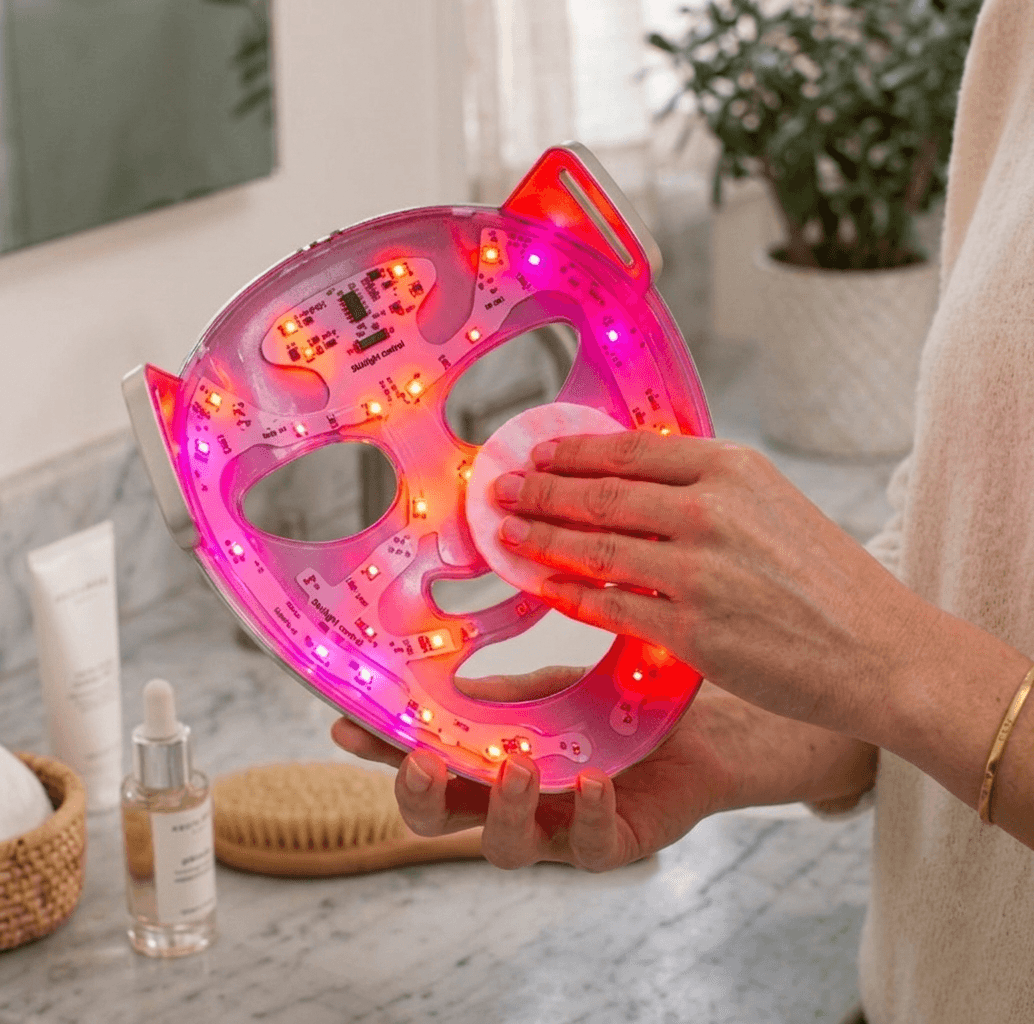
Keep your mask hygienic between sessions.
After each use, wipe the inner surface of the mask with an alcohol-soaked cotton pad to remove transferred skin oils and any residue. This prevents bacterial buildup and keeps the LED panels performing at full strength.
Store your device in the provided protective pouch or a clean, dust-free spot. Keeping it somewhere visible makes it easier to stick to the daily habit — on your nightstand or bathroom counter works well.
Keep it charged.
Most LED masks charge via USB-C and hold enough charge for 7–10 sessions. A quick charge once a week prevents low-battery from being an excuse to skip a session.
The at-home LED market ranges from cheap novelty devices to genuinely clinical-grade tools. Here's what separates the ones that work from the ones that don't:
Recommended Device:
Q-Rejuvalight Pro LED Mask
The device Dr. Anthony Youn recommends to his patients. FDA-cleared, 5 clinically studied wavelengths, 3-minute hands-free treatment, and backed by 50+ dermatologists. Includes the free Qure app for guided sessions and progress tracking.
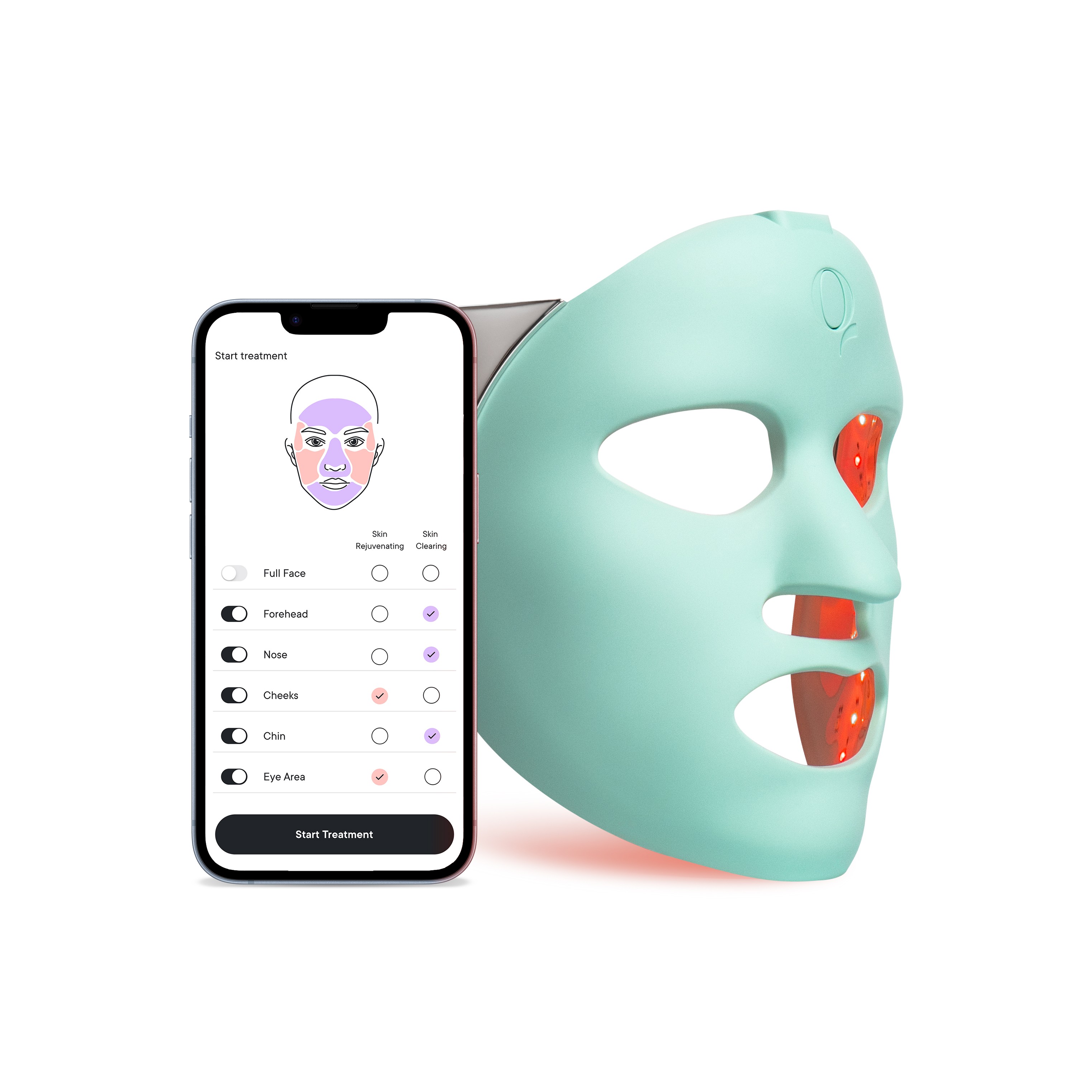
FDA-Cleared
5 Wavelengths
3 Min/Day
50+ Dermatologists
4.8 Rating

" height="14px" id="OzELtrWPw" width="14px"/><path d="M 5.727 0 L 1.79 3.938 L 0 2.148" fill="transparent" height="3.9375px" id="e9P2LT4JG" stroke-dasharray="" stroke-linecap="round" stroke-linejoin="round" stroke-width="1.05" stroke="rgb(33, 36, 40)" transform="translate(4.136 5.031)" width="5.72728px"/></svg>)
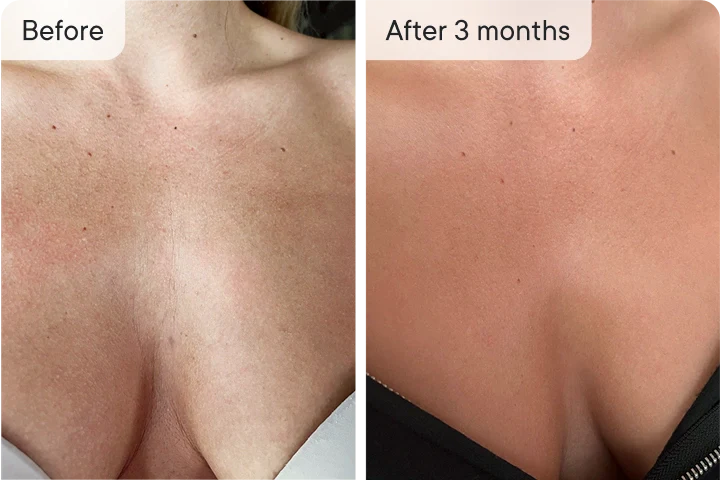

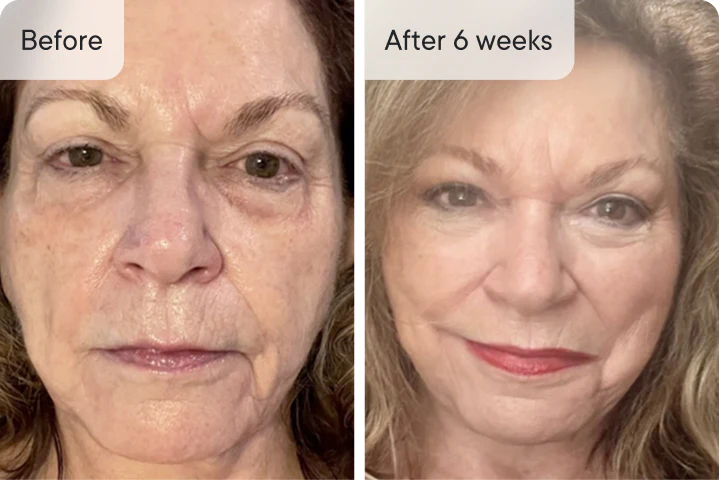
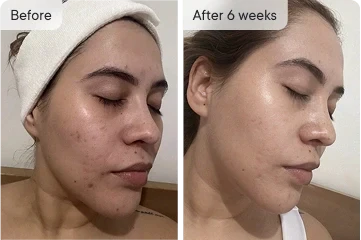

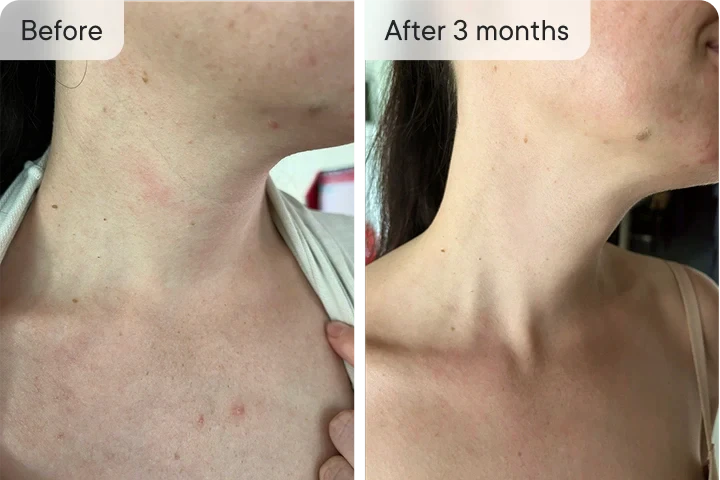

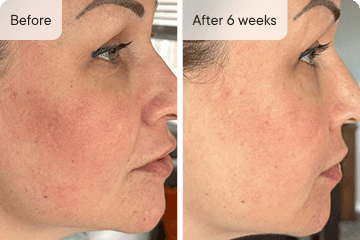
How quickly will I see results?
Is it safe for all skin types?
How often can I use the treatment?
When is the best time to use this mask?
Do I need to use eye protection?
Does Q-Rejuvalight Pro come with a warranty?
Is Q-Rejuvalight Pro FDA-cleared?